BY JANET MANDELSTAM
Not having access to the record of your birth is like “reading a book with the first chapter missing,” according to Hoosiers for Equal Access to Records (HEAR), a nonprofit organization that has lobbied successfully to open Indiana adoption records.
Indiana sealed adoption records in 1941, and while it permitted adult adoptees access to their birth records beginning in 1994, it didn’t make the law retroactive. That meant the records of anyone adopted between 1941 and 1993 remained closed. Last year, after a long and concerted effort by open-records advocates like HEAR, the governor signed a bill that will allow all Indiana adoptees access to their original birth certificates and adoption records.
However, the change doesn’t become effective until July 1, 2018. Pam Kroskie, president of HEAR and its sister organization, Indiana Adoptee Network (IAN), says in the interim the organizations “hope to reach as many adoptees and birth parents as we can to educate them about the new law.”
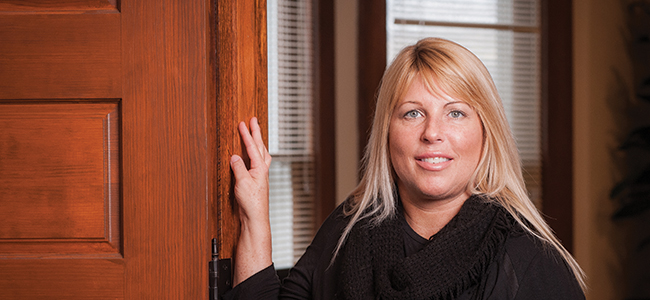
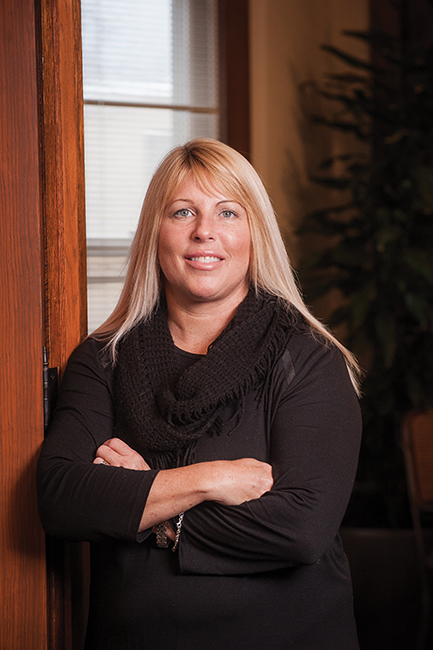
Kroskie, 49, was adopted at birth and has been campaigning for open records for nearly 30 years, working to change the law and to educate the public. She says even in the most successful adoptions there’s a hole left in the life of the adoptee.
She began to fill that hole in her own life by searching for her birth mother during the closed-records period. “It took 10 months to find my mom, and she never lived more than an hour away,” Kroskie says. “I had a long relationship with her before she died.”
Such searches will happen more easily under the changed law, though such reunions can be emotionally fraught, Kroskie says. “We hope we can help people through these reunions. It’s about closure and healing.”
Adoptees say that lack of completeness leads them to search for their birth parents even when the ties to their adoptive families are strong. Furthermore, Kroskie says, most adoptees continue to love their adoptive parents after finding their birth parents.
There’s more than an emotional need to know the circumstances of one’s birth. An adoptee has no family medical history and, therefore, isn’t aware of any genetic risk factors for illnesses. And without a birth certificate, it’s difficult to get a passport.
All aspects of adoption will be on the agenda at IAN’s “Building Bridges” conference on April 21–22 at the Bloomington/Monroe County Convention Center. The conference — for adoptees, birth parents, adoptive parents, adoption agency professionals, and others wanting to learn more about adoption — will include sessions such as “Unseen Struggles of Adoptees” and “Relationship Building and Boundaries,” and updates on the new law.
For more information, visit indianaadopteenetwork.org or indianahear.org.